How to Find Legit Remote Jobs and Avoid Work-From-Home Scams
Where to search for real work-from-home jobs, the red flags of fake recruiters and task scams, and what to do if you already shared personal info.
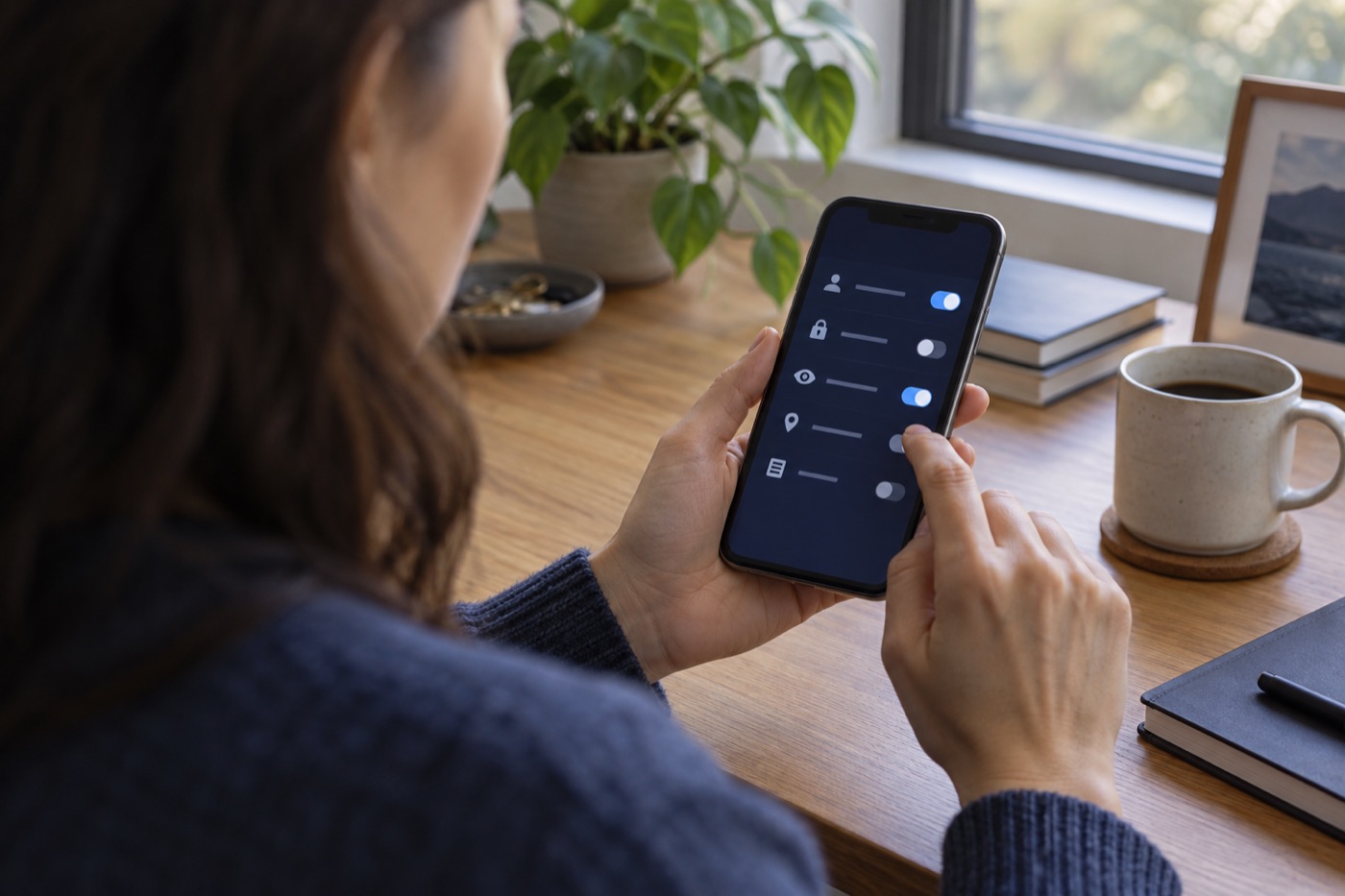
Working from home sounds ideal. No commute, more flexibility and maybe more time with your family. That is exactly why remote jobs are also the favorite bait of scammers.
According to the Federal Trade Commission (FTC), reports of job scams roughly tripled between 2020 and 2024, and reported losses grew from about $90 million to $501 million. Many of those scams promised easy work you could do from your couch.
The good news: real remote jobs exist, and you can learn to tell them apart from fakes. This guide shows you where to look, what red flags to watch for and what to do if something already went wrong.
What real remote jobs look like
Legitimate remote jobs look a lot like in-person jobs, just without the office. There is a real company, a clear job description, an application process and usually at least one interview by phone or video.
Common remote roles include customer service, technical support, sales, data entry, bookkeeping, writing, tutoring, medical billing and software development. Many require the same skills and experience as the office version.
Real employers pay you, not the other way around. They send official offer letters, set you up with payroll and usually ask for tax forms like a W-4 or W-9 only after you have been hired.
Where to search for remote work
Stick to well-known job boards and official company sites. Scams still appear on big sites, but you get better tools to filter and report them.
- Indeed, LinkedIn and ZipRecruiter all let you filter by "remote." Read each listing carefully, since some "remote" jobs still require you to live in a certain state.
- Company career pages. If you know a company that hires remote staff, apply directly on its official website.
- Remote-focused job boards such as We Work Remotely and FlexJobs. FlexJobs charges job seekers a subscription fee and says it screens listings, so decide whether that is worth it to you.
- USAJOBS lists federal jobs, and you can filter for remote and telework-eligible positions.
- Your state workforce agency and American Job Centers, found through the US Department of Labor's CareerOneStop site, can point you to local employers with remote options.
Red flags of a work-from-home scam
Scammers are getting better at copying real companies. Watch for these warning signs, and slow down when you see even one.
| Red flag | What it looks like | Why it matters |
|---|---|---|
| You pay to start | Fees for training, starter kits, software or "certification" | Real employers do not charge you to work |
| Fake check | They send a check to buy equipment, then ask you to send money back | The check bounces and you lose the money |
| Hired too fast | Job offer without a real interview, often by text | Real hiring takes time and verification |
| Chat-only contact | Interviews only on Telegram, WhatsApp or text | Scammers hide behind messaging apps |
| Pay too good to be true | High pay for simple tasks like liking videos or rating products | Classic "task scam" pattern |
| Crypto or gift cards | Pay or deposits in cryptocurrency or gift cards | These payments are hard to trace or reverse |
| Early requests for ID | SSN, bank info or ID photos before a formal offer | Used for identity theft |
| Odd email address | Recruiter uses a free email instead of a company domain | Often a sign of impersonation |
If a message pressures you to act fast or keep the job secret, treat it as a scam until proven otherwise.
Understanding task scams
Task scams are one of the fastest-growing job scams, according to the FTC. They usually start with an unexpected text or message about an easy online job, such as "optimizing" apps or rating products.
At first, you may see small earnings in an online account. Then you are told to deposit your own money, often in cryptocurrency, to unlock more tasks or withdraw your pay. The deposits grow, and the money never comes back.
A real job will never ask you to pay to access your earnings. If a "job" involves an app dashboard, levels and deposits, walk away.
How to check if a job is real
Before you share personal information, take a few minutes to verify the employer. These steps catch most scams.
- Search the company name plus "scam" or "reviews." Check Glassdoor, which is now part of Indeed, and the Better Business Bureau.
- Go to the company's official website yourself. Do not use links from the message. See whether the job appears on its careers page.
- Check the recruiter. Look them up on LinkedIn and confirm they work for the company. Call the company's main number to double-check.
- Look at the email domain. A real recruiter usually writes from an address that matches the company's website.
- Ask for a video interview. Real employers expect to meet you. Refusals or constant excuses are a warning sign.
- Never pay upfront. Not for training, equipment, background checks or anything else.
Build skills that remote employers want
Remote employers often look for people who can work independently and communicate clearly in writing. You can show these skills even before you land your first remote job.
Get comfortable with common tools such as email, video calls, shared documents and spreadsheets. Free courses from your library or community college can help. Mention these tools on your resume when you know them well.
Highlight experience that proves you are reliable without a manager nearby, such as meeting deadlines on school projects, freelance work or volunteer roles. A quiet workspace and a stable internet connection also matter, since many employers ask about your home setup.
Protect your personal information
Only share sensitive details after you have a written offer and have confirmed the company is real. Even then, share them through the company's official onboarding system, not by text or chat.
Use a separate email address for job hunting, and do not post your full address or birth date on public profiles. If an employer sends equipment, it should come from the company, not require you to buy it and wait for a refund.
If you think you have been scammed
Act quickly. The sooner you respond, the more you can limit the damage.
- Stop all contact and do not send any more money.
- Contact your bank or card issuer right away to report fraud and ask about reversing payments.
- Report the scam to the FTC at ReportFraud.ftc.gov. Reports help investigators spot trends.
- If you shared your SSN, visit IdentityTheft.gov for a recovery plan, and consider a credit freeze with the three credit bureaus.
- Report the listing to the job site where you found it.
Feeling embarrassed is normal, but scammers are professionals. Reporting helps protect the next person.
Set realistic expectations
Remote jobs are competitive because applicants can come from anywhere. You may need to apply to more positions than you would for local jobs, and entry-level remote roles often go to people with some related experience.
Pay for remote work is usually similar to in-person pay for the same role. For example, the BLS Occupational Outlook Handbook lists a median of $44,770 per year for customer service representatives in May 2025, and it projects a 5 percent decline in that occupation from 2025 to 2035. Any listing promising far more for far less work deserves extra suspicion.
FAQ
Are data entry jobs from home real?
Some are, but data entry is one of the most common scam categories. Be especially careful with offers that come by text, pay unusually well or ask for upfront fees.
Is it normal to be asked for my Social Security number?
Yes, but only after you are hired, usually for tax and payroll forms. Sharing it before a formal offer and verification is risky.
Should I pay for a remote job board?
Most remote jobs can be found on free sites. Some paid boards may save time, but paying is never required to find legitimate work.
Can a scam use a real company's name?
Yes. Scammers often impersonate well-known brands. Always confirm the job on the company's official website and contact it through its listed phone number or email.
Apps and services change. Tell us about an error or an outdated detail. Contact →
Editorial approach